Biblioteca de referencia sobre Ecuador

Explicadores

Guías de contexto sobre la política, economía, historia, ambiente y vida cotidiana del Ecuador.

← Todos los recursos

La mayoría de los artículos están actualmente disponibles en inglés.

Limpiar

Historia y cultura

Explora los explicadores

39 artículos

Presidents of Ecuador (1830–present) — constitutional presidents

Below is a full historical list of Ecuador’s constitutional presidents (1830–present), with 3–4 short lines each. Note: Ecuador also had many very short “acting/interim” heads of state, juntas, and provisional governments, sometimes lasting days or weeks—too many to describe cleanly in one readable list. 1830s–1800s Juan José Flores (1830–1834; 1839–1845)Founder-era strongman who helped consolidate the new republic…

Leer el explicador →
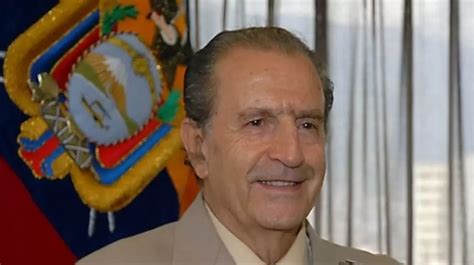
Explainer: Rodrigo Borja — who he was, what he tried to do, and what Ecuador was like in his years (1988–1992)

When Ecuadorians talk about Rodrigo Borja Cevallos, you’ll often hear two things in the same breath: “a democratic, institutional politician” and “a president who governed in a really hard economic moment.” Both can be true—because the late 1980s and early 1990s were a tough stretch for Ecuador, even by Ecuador standards. Borja served as President of Ecuador from August 10, 1988 to August 10, 1992, as leader of the…

Leer el explicador →

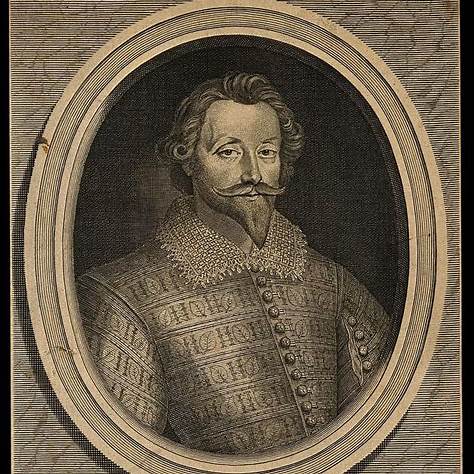
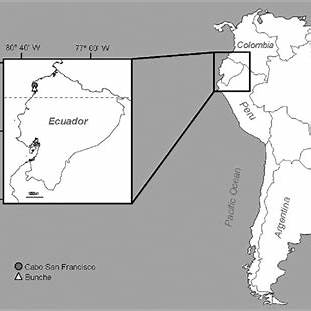
The “Esmeraldas interception”: how Drake actually took the Cacafuego off Cabo San Francisco (1579)

The “Esmeraldas interception”: how Drake actually took the Cacafuego off Cabo San Francisco (1579) When people say “the Esmeraldas interception,” they’re usually talking about the moment Francis Drake’s ship (Golden Hind) finally caught and seized the Spanish treasure ship Nuestra Señora de la Concepción—nicknamed the Cacafuego—near Cape/Cabo San Francisco, on the coast of today’s Esmeraldas Province.

Serie: Piracy On the Ecuadorian coast · Parte 3

Leer el explicador →

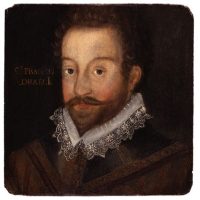
Francis Drake — the raid that put Ecuador’s coast on the pirate map

1) The Pacific wasn’t supposed to have pirates In the late 1500s, Spain’s enemies raided the Caribbean all the time—but the Pacific still felt like a private Spanish lake. One modern summary captures the shock bluntly: privateers were common in the “Spanish Main” but “were unheard of in the Pacific.” (Wikipedia) That assumption is the first reason Drake matters to Ecuador. When Golden Hind slipped through the Strait…

Serie: Piracy On the Ecuadorian coast · Parte 2

Leer el explicador →

Piracy on Ecuador’s Coast — From Drake to Guayaquil

Piracy on Ecuador’s Coast — From Drake to Guayaquil Night on the Guayas River is the wrong kind of quiet: black water, mangrove shadows, and the sense that the city is there—but hidden inland, beyond bends you can’t see. In 1709, when the English privateer Woodes Rogers finally turned away from Guayaquil, he didn’t slip out like a thief.

Serie: Piracy On the Ecuadorian coast · Parte 1

Leer el explicador →

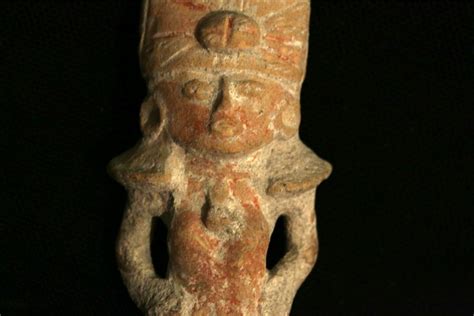
Explainer ( overview) Pre-Inca peoples of Ecuador: who they were, and what their world was like

Pre-Inca peoples of Ecuador: who they were, and what their world was like (friendly explainer) When people say “pre-Inca Ecuador,” they’re talking about thousands of years of different societies—coastal, highland, and Amazonian—many of which were thriving long before the Inca arrived in the late 1400s. Ecuador wasn’t one single civilization back then. It was more like a mosaic of cultures connected by trade, migrati…

Leer el explicador →

Explainer - Chevron Case in Ecuador

Here’s a clear, date-anchored explainer of the Ecuador–Chevron case and where it stands as of today.Dec 11 2025 1. What is “the Chevron case” in Ecuador? It’s a pair of intertwined legal battles: Lago Agrio / UDAPT case (Ecuadorian courts vs. Chevron)– Amazonian communities sued over massive oil contamination from Texaco’s operations (1964–1992).– They won a US$9.5 billion judgment in Ecuadorian courts, which Chevro…

Leer el explicador →

Explainer - Rafael Correa

Rafael Correa is one of those figures you have to understand if you want to make sense of Ecuadorian politics today – even though he’s been living in Belgium for years. Below is a factual, big-picture explainer: who he is, what he did in power, his legal problems, and why he still matters. 1. Quick snapshot Full name: Rafael Vicente Correa Delgado Born: April 6, 1963, in Guayaquil Profession: Economist (studied in E…

Leer el explicador →

Explainer - Vilcabamba, Loja: long lives, long holidays,

Vilcabamba, Loja: long lives, long holidays, and long arguments about “the gringos” 🌱 1. Where is Vilcabamba and why do people talk about it so much? Vilcabamba is a small parish in the canton of Loja, southern Ecuador, about 40 km south of the city of Loja, in a valley at roughly 1,500–1,700 meters above sea level. It sits where the Andean foothills start to relax toward the lowlands, with green hills, a mild “eter…

Leer el explicador →

Explainer - Ecuador and Dollarization

1. How Ecuador ended up dollarized In the late 1990s Ecuador went through a devastating crisis: Banks failed, deposits were frozen, and many people lost part or all of their savings. Inflation shot up and the sucre collapsed in value: it lost around two-thirds of its dollar value in 1999, and then another quarter in just the first week of 2000. Poverty and unemployment surged, with especially harsh impacts in rural…

Leer el explicador →

Explainer - The Incas in Ecuador

this article was created by ChatGPT. The Incas in Ecuador: a short, sharp empire on an ancient land 1. Before the Incas: Ecuador was already busy When people think of the Incas, they often picture a giant empire stretching from Colombia to Chile. But by the time the Incas reached what is now Ecuador, the land was already full of powerful peoples and cultures. In the southern highlands (Cañar, Azuay), the Cañari cont…

Leer el explicador →

Explainer – Japotó / Charapotó and the Archaeological Site

1. Where is Japotó, exactly? Japotó is an archaeological site located in the community of Santa Teresa, between Charapotó and San Jacinto, in the parish of Charapotó, canton Sucre, northern Manabí. (Revista Mundo Diners) Today it sits inside the Biocorredor Estuario del Río Portoviejo, a conservation area that covers mangroves, estuary and nearby hills and farms along the Portoviejo River. (biocorredor.com) So if yo…

Leer el explicador →

Explainer – San Jacinto, Charapotó, Portoviejo, the Spanish… and the “gold question”

When you stand on the beach at San Jacinto or look across the estuary at La Boca, you’re basically standing in a very old “frontier zone” between sea and river trade routes. Long before the Spanish arrived, this coast was part of the world of the Manteño-Huancavilca peoples, famous sailors and merchants who lived along what is now Manabí and Santa Elena from at least around 700 CE. They farmed the hills, fished the…

Leer el explicador →

EXPLAINER – How Ecuador’s National Assembly Works (and how it connects to the President)

The Asamblea Nacional is Ecuador’s single national parliament – it’s unicameral, meaning there’s just one chamber, not two like in some countries. Right now it has 151 members (asambleístas), elected for four years. They come from three kinds of districts: 15 national members (elected by the whole country), 130 provincial/district members (elected in each province and big metro area according to population), 6 repre…

Leer el explicador →