Biblioteca de referencia sobre Ecuador

Explicadores

Guías de contexto sobre la política, economía, historia, ambiente y vida cotidiana del Ecuador.

← Todos los recursos

La mayoría de los artículos están actualmente disponibles en inglés.

Limpiar

Historia y cultura

Explora los explicadores

9 artículos

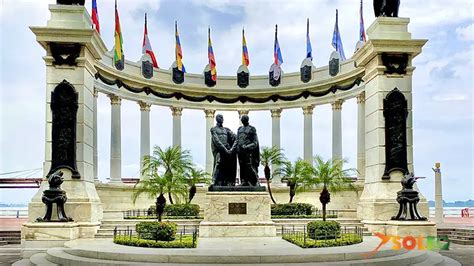
Part 9 — Gran Colombia → Ecuador (1822–1830)

After Pichincha (1822), the big question wasn’t only “Spain is leaving.” It was: What replaces the empire? For the Quito highlands, the answer became Gran Colombia—a giant, fast-built republic meant to keep the independence project alive, pay for armies, and prevent the region from fragmenting into weak mini-states.

Serie: Short History of Independence · Parte 9

Leer el explicador →
Part 8 — Spain’s Point of View (Royalists, officials, and loyalist locals)

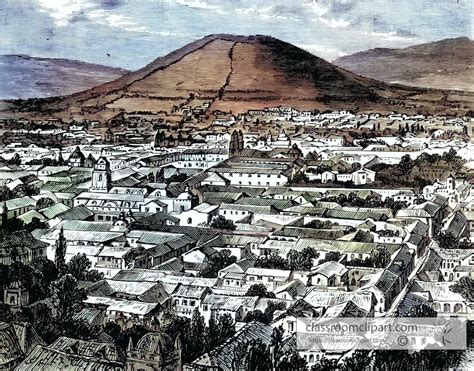
Introduction To understand why royalism lasted, it helps to drop the “movie version” where one side is purely heroic and the other is purely villain. For many people in the Audiencia of Quito (and across Spanish America), staying loyal to the Spanish monarchy felt like the safest path to order, jobs, religion, and basic predictability—especially when the alternative looked like uncertainty, civil conflict, or social…

Serie: Short History of Independence · Parte 8

Leer el explicador →

Part 7 — Military Angle III: Pichincha 1822 and What It Changed

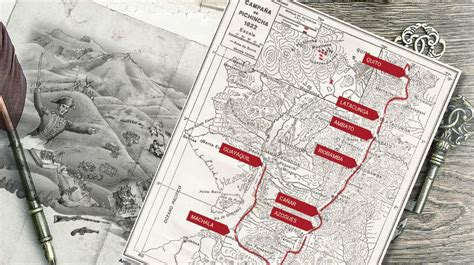
If Guayaquil 1820 was the revolution that started a new phase, Pichincha (24 May 1822) is the moment that made the new reality hard to reverse. It wasn’t just “a battle on a volcano.” It was the key move that let the independence coalition take Quito, end the last strong royalist hold in the region, and lock in a new political map—especially the link to Gran Colombia.

Serie: Short History of Independence · Parte 7

Leer el explicador →

Part 6 — Military Angle I + II: Roads, Terrain, and Real Logistics

Independence-era war in Ecuador isn’t best understood as “armies clash, someone wins.” It’s better understood as: Can you move people, food, animals, and gunpowder across extreme geography without your force collapsing? The Coast is humidity, rivers, and corridors. The Sierra is altitude, cold nights, narrow passes, and trails that can vanish in rain.

Serie: Short History of Independence · Parte 6

Leer el explicador →

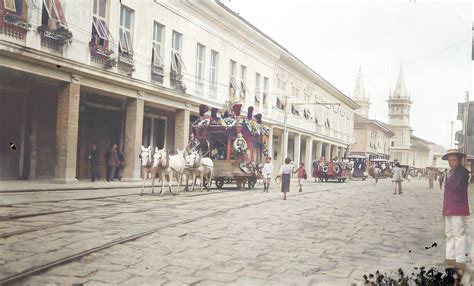
Part 4 — Guayaquil 1820 — The Revolution That Stuck

If Quito’s revolution years felt like living inside uncertainty, Guayaquil in October 1820 feels like the opposite: a plan that actually lands. Not because everyone suddenly agreed—but because Guayaquil had three ingredients that matter in real-world revolutions: money (a port economy), organization (networks + timing), and control of the garrison before the city could be locked down.

Serie: Short History of Independence · Parte 4

Leer el explicador →