Ecuador reference library

Explainers

Background guides to Ecuador’s politics, economy, history, environment and everyday life.

← All resources

Evergreen context for understanding the people, institutions and issues behind the news.

Library

Browse explainers

101 articles

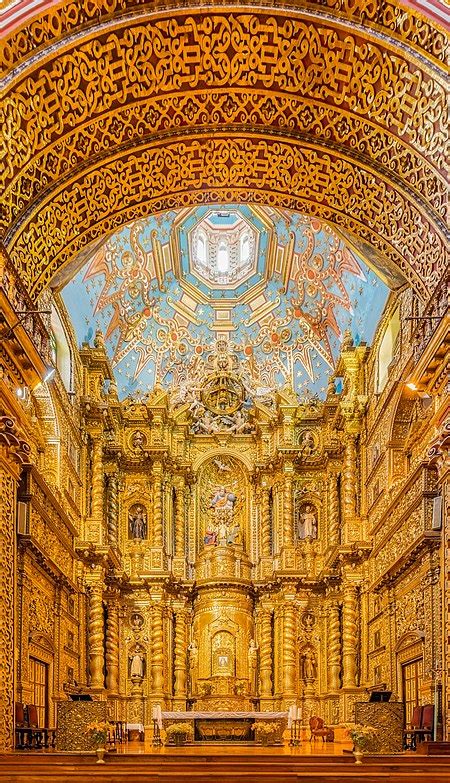
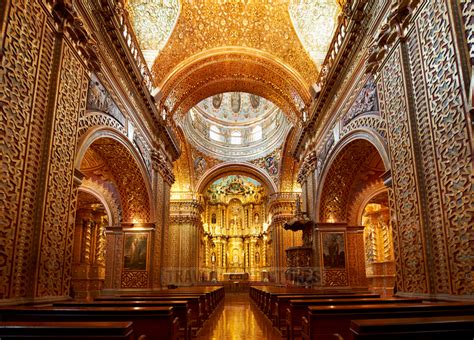
Jesuits + Education in colonial Ecuador — and the 1767 expulsion

What this explainer is A friendly, detailed look at how the Jesuits became education powerhouses in the Audiencia of Quito, what happened when King Charles III expelled them in 1767, and why you can still feel that story in Quito today. The big idea For much of the colonial period, the Society of Jesus (Jesuits) ran some of the most influential schools and university-level teaching in Quito—especially in philosophy,…

Series: History of Ecuador · Part 4

Read explainer →
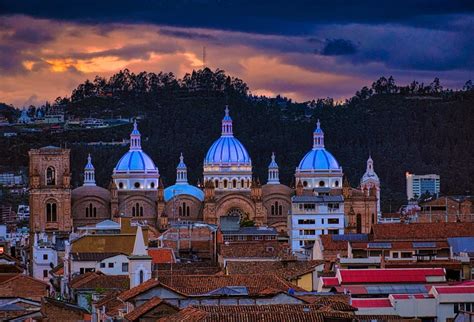
Explainer: The Bourbon Reforms — Spain’s 1700s “reboot” of its empire (and why Quito cared)

If you imagine the Spanish Empire as a huge, expensive machine, the Bourbon Reforms were Spain saying: “This thing is leaking money, running on old wiring, and our rivals are catching up. We’re going to redesign it—fast.” Across Spanish America, the reforms aimed to centralize control, raise revenue, and make colonial government more efficient (and more directly loyal to the Crown). (Encyclopedia Britannica) In the…

Read explainer →

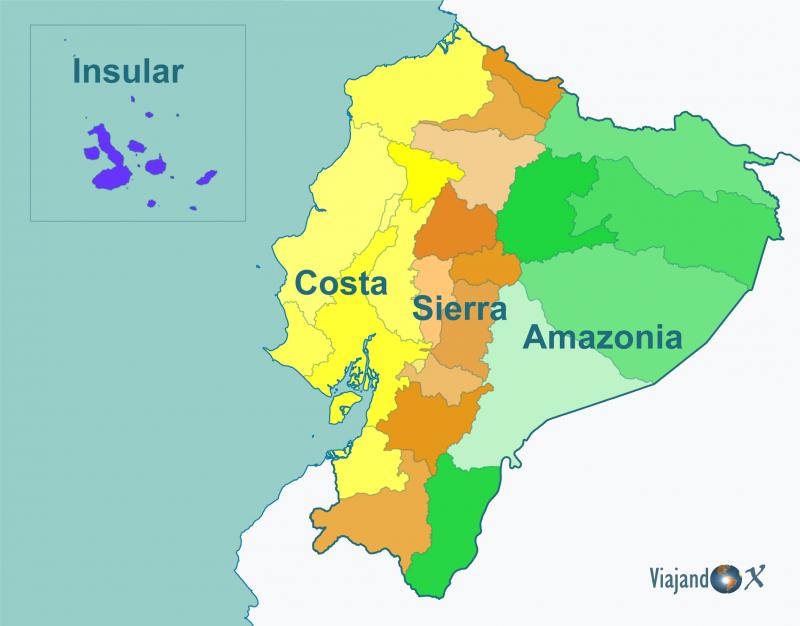
The “Three Ecuadors” (Costa, Sierra, Amazonía) — one country, three daily realities

People in Ecuador often talk like there are three countries inside one: the Coast (Costa), the Highlands (Sierra), and the Amazon (Oriente/Amazonía). That shorthand is real and useful—because the Andes act like a giant spine that shapes climate, travel, jobs, food, and even political priorities. Britannica describes Ecuador’s mainland as divided into these three main physical regions: Costa, Sierra, Oriente. (Encycl…

Read explainer →

January admin + tax checklist

Absolutely — here’s an expat-friendly “January admin + tax checklist” expanded from that El Diario roundup, with links to the official references where possible. Disclaimer : We are not tax experts or lawyers. This is a practical checklist based on what we’ve found in reputable Ecuador news and official institutional pages. Rules can vary by municipality and by your tax status. For anything important, verify with SR…

Read explainer →

National Ecuador Holidays

Below is a single 2026 holiday list where each entry is denoted as: [🇪🇨 National] = applies countrywide [🟩 Manabí] = province-wide or key Manabí civic day [🟦 Cuenca] = local holiday for Cantón Cuenca [🟧 Loja] = province-wide or key Loja civic day I’m listing the day off as observed when a date is typically moved by Ecuador’s holiday-transfer rules (Tue→Mon, Wed/Thu→Fri, Sun→Mon; applies to local holidays too). (Asam…

Read explainer →
History & Culture

Sierra cities in the colonial era: Cuenca + Loja (and how they connected to Quito, the Coast, and the wider empire)

English When you zoom out from Quito, colonial Ecuador starts to look like a network: highland cities that managed land and labor, connected by roads to a coastal port that moved goods in and out. And in the south, Cuenca and Loja were key “nodes” in that network—smaller than Quito, but strategically placed. A simple clue: the 1563 royal decree that set up the Real Audiencia of Quito explicitly lists Loja, Cuenca, a…

Read explainer →
History & Culture

Quito (Colonial Era) — a walking version you can feel

let’s do a time-travel walking tour. Imagine it’s a clear morning and you’re walking Quito when it’s still a Spanish colonial capital: bells, vendors, officials in dark capes, and everyone reading the city’s rules in who stands where. Quito (Colonial Era) — a walking version you can feel Stop 1 — Plaza Grande (Plaza de la Independencia) EN: This is the city’s “front room.” In Spanish Quito, the plaza is where power…

Read explainer →
History & Culture

Quito under Spanish rule: how the city worked (and what daily life felt like)

English 1) A city “built on purpose”After the Spanish founded Quito in 1534 (on the ruins of an Inca city), they shaped it as a compact Andean capital—steep streets, big plazas, and church complexes that doubled as spiritual and social anchors. UNESCO notes the old city’s plan as checkerboard-patterned streets with squares, and houses “1 or 2 floors with one or several patios.” (UNESCO World Heritage Centre) Think o…

Read explainer →
History & Culture

Esmeraldas + the slave trade — how people were brought, how people resisted, and what life looked like

ENGLISH (friendly explainer) When people talk about Esmeraldas in colonial Ecuador, they’re often talking about a “frontier” zone: thick forests, big rivers, and coastal routes that were important to the empire—but never easy for the empire to fully control. Historians literally frame Esmeraldas as a borderland that was “integrated” only unevenly into the colonial (and later national) space. (ojs.fhce.edu.uy) And th…

Read explainer →
History & Culture

Ecuador under Spanish rule — “how the machine worked,” and how people lived inside it

Let’s zoom in on the structure (who had power, who answered to whom) and then what that meant for real people’s daily lives: Spaniards, criollos/mestizos, Indigenous communities, and Afro-Ecuadorians. ENGLISH The basic power triangle: Crown / State, Church, Land (hacienda) A helpful way to picture colonial Ecuador is as three overlapping systems: State (the Crown’s administration) = laws, taxes, courts, officials Ch…

Read explainer →

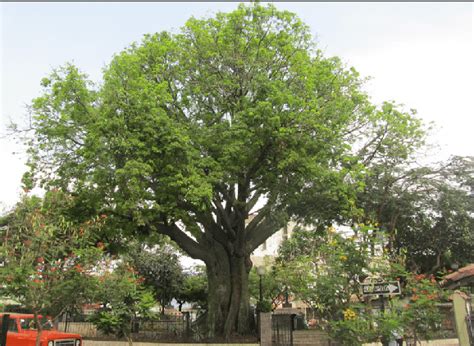
Explainer | The Ceibo (Ceiba trichistandra) — the Coast’s “big-hearted giant”

First: what people mean by “ceibo” on the Ecuadorian Coast On the Coast, when someone says “that’s a ceibo”, they’re usually talking about Ceiba trichistandra — the classic giant of Ecuador’s tropical dry forest (bosque seco) in the Tumbes region (Ecuador–Peru). (iNaturalist) (Tiny note because it confuses everyone at some point: there are other “ceibas” too — like Ceiba pentandra in wetter tropical areas — but the…

Read explainer →

Explainer | The “Las Malvinas” case (Guayaquil) — what’s confirmed, what’s disputed, and why it matters

ENGLISH What happened The “Las Malvinas” case refers to the forced disappearance of four boys (ages 11–15) from the Las Malvinas neighborhood in southern Guayaquil, during a period when Ecuador intensified military-led security operations. Prosecutors say the boys were detained during an operation and then disappeared; later, authorities confirmed the boys had died. (Reuters) Key timeline Dec 2024: The boys disappea…

Read explainer →
History & Culture

Explainer: Christmas traditions in Ecuador

Christmas Eve, nativity displays, coast vs. sierra vs. amazon, and parades Ecuador’s Christmas season blends family, faith, and public celebration—and in many places the “main night” is Christmas Eve (Nochebuena) rather than Dec 25. The details vary by region, but you’ll see the same big pillars everywhere: Novena gatherings, pesebres/nacimientos (nativity scenes), and festive processions like the Pase del Niño. (Pr…

Read explainer →
History & Culture

Presidents of Ecuador (1830–present) — constitutional presidents

Below is a full historical list of Ecuador’s constitutional presidents (1830–present), with 3–4 short lines each. Note: Ecuador also had many very short “acting/interim” heads of state, juntas, and provisional governments, sometimes lasting days or weeks—too many to describe cleanly in one readable list. 1830s–1800s Juan José Flores (1830–1834; 1839–1845)Founder-era strongman who helped consolidate the new republic…

Read explainer →
History & Culture

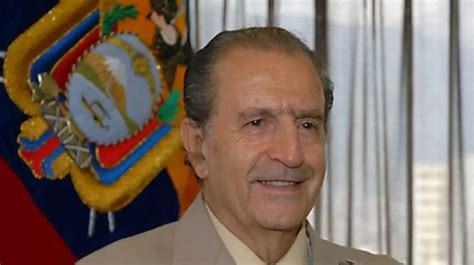
Explainer: Rodrigo Borja — who he was, what he tried to do, and what Ecuador was like in his years (1988–1992)

When Ecuadorians talk about Rodrigo Borja Cevallos, you’ll often hear two things in the same breath: “a democratic, institutional politician” and “a president who governed in a really hard economic moment.” Both can be true—because the late 1980s and early 1990s were a tough stretch for Ecuador, even by Ecuador standards. Borja served as President of Ecuador from August 10, 1988 to August 10, 1992, as leader of the…

Read explainer →

Why sea temperature can “run the weather” on Ecuador’s coast

“Ecuador’s coastal weather is strongly influenced by sea surface temperature. Small shifts in ocean warmth change humidity, cloud formation, and the odds of storms—especially during ENSO phases like La Niña.” (CPC) If you live on the Costa (especially places like Manabí, Santa Elena, Guayas, Esmeraldas), you’ve probably noticed this pattern: Some weeks feel sticky and stormy (even if it’s “not supposed to”). Other w…

Series: Weather in Ecuador · Part 5

Read explainer →
Living in Ecuador

Explainer - Eggs, refrigerate or not

In Ecuador you’ll often see eggs sitting on the counter at the store (and at home), and it’s not because people are careless—it’s because most eggs here are usually sold unwashed, which changes how they should be stored. Why they’re often not kept in a fridge Eggs naturally have a thin protective coating on the shell called the cuticle (or “bloom”). It helps block bacteria and slows moisture loss. In Ecuador (and ma…

Read explainer →

Explainer: Ecuador’s “Triple A” case (ongoing)

Explainer: Ecuador’s “Triple A” case (ongoing) First, a quick clarification because the name causes constant confusion: the “Caso Triple A” (fuel case) is not the “Plan Triple AAA” drinking-water project in Portoviejo. They’re unrelated topics that happen to share a similar nickname. (Fiscalía General del Estado) ENGLISH What is it? The “Caso Triple A” is a criminal case led by Fiscalía General del Estado investigat…

Read explainer →
History & Culture

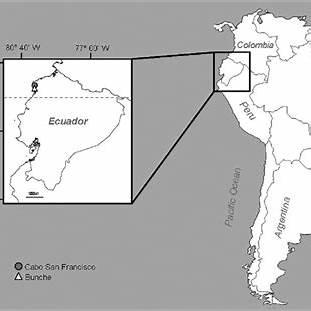
The “Esmeraldas interception”: how Drake actually took the Cacafuego off Cabo San Francisco (1579)

The “Esmeraldas interception”: how Drake actually took the Cacafuego off Cabo San Francisco (1579) When people say “the Esmeraldas interception,” they’re usually talking about the moment Francis Drake’s ship (Golden Hind) finally caught and seized the Spanish treasure ship Nuestra Señora de la Concepción—nicknamed the Cacafuego—near Cape/Cabo San Francisco, on the coast of today’s Esmeraldas Province.

Series: Piracy On the Ecuadorian coast · Part 3

Read explainer →
History & Culture

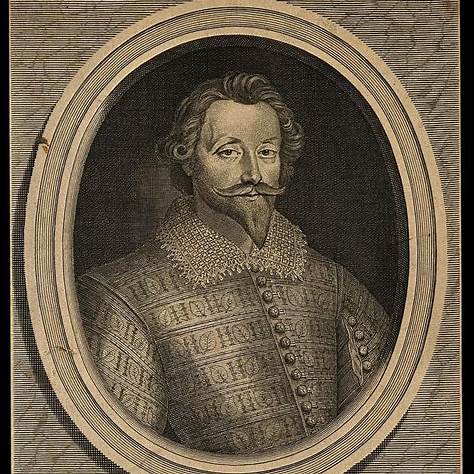
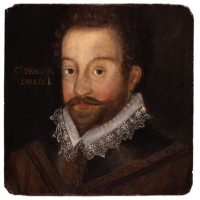
Francis Drake — the raid that put Ecuador’s coast on the pirate map

1) The Pacific wasn’t supposed to have pirates In the late 1500s, Spain’s enemies raided the Caribbean all the time—but the Pacific still felt like a private Spanish lake. One modern summary captures the shock bluntly: privateers were common in the “Spanish Main” but “were unheard of in the Pacific.” (Wikipedia) That assumption is the first reason Drake matters to Ecuador. When Golden Hind slipped through the Strait…

Series: Piracy On the Ecuadorian coast · Part 2

Read explainer →
History & Culture

Piracy on Ecuador’s Coast — From Drake to Guayaquil

Piracy on Ecuador’s Coast — From Drake to Guayaquil Night on the Guayas River is the wrong kind of quiet: black water, mangrove shadows, and the sense that the city is there—but hidden inland, beyond bends you can’t see. In 1709, when the English privateer Woodes Rogers finally turned away from Guayaquil, he didn’t slip out like a thief.

Series: Piracy On the Ecuadorian coast · Part 1

Read explainer →
Economy & Business

Explainer - Ecuador’s hydropower system (how it works, where it is, and why rain matters fast)

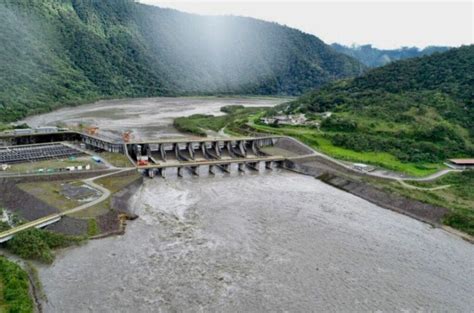
Ecuador’s Sistema Nacional Interconectado (SNI) leans heavily on hydroelectricity—at times covering around 90% of national demand (per CENACE figures cited by Lupa). (LupaMedia) Where the big hydropower plants are (high-level “map”) Think of Ecuador’s hydropower as clusters along major river basins: Amazon/Andes (north-east): Coca Codo Sinclair (the country’s largest) is located between Napo and Sucumbíos and has 1,…

Read explainer →

Explainer- Ecuador’s health system (Public MSP/RPIS vs IESS vs Private) for immigrants:

Ecuador’s health care is best understood as a mixed, segmented system: you have a public network led by the Ministry of Public Health (MSP), a social-security system (IESS) tied to contributions, and a private market (out-of-pocket, insurance, and medicina prepagada). The Constitution frames health as a right guaranteed by the State, and Ecuador organizes much of its public care through the Red Pública Integral de S…

Read explainer →
History & Culture

Explainer ( overview) Pre-Inca peoples of Ecuador: who they were, and what their world was like

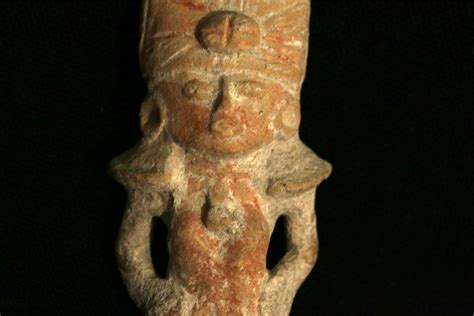
Pre-Inca peoples of Ecuador: who they were, and what their world was like (friendly explainer) When people say “pre-Inca Ecuador,” they’re talking about thousands of years of different societies—coastal, highland, and Amazonian—many of which were thriving long before the Inca arrived in the late 1400s. Ecuador wasn’t one single civilization back then. It was more like a mosaic of cultures connected by trade, migrati…

Read explainer →