Featured
Living Through El Niño: Preparing for the Long Haul
El Niño is here. Rivers are overflowing, roads are being damaged and communities across Ecuador are experiencing flooding. Along the coast, unusually high sea levels and exceptionally high tides are adding to the difficulties.
Ecuador's November 19 ERFEN assessment identifies further periods of high tides, known locally as aguajes, from December 8–11 and particularly December 23–26. When heavy rainfall coincides with high tides, coastal rivers and drainage systems may struggle to discharge water into the ocean.
With potentially several more months of difficult conditions ahead, managing everyday life requires preparation and some changes to our daily routines.
Make preparedness a daily habit
- Keep your phone and power banks charged. Recharge them whenever electricity is available.
- Replenish medications before running low. Road closures and flooding may interrupt deliveries to local pharmacies.
- Maintain at least three days' supply of drinking water and non-perishable food. Use and replenish these supplies regularly.
- Keep some cash available. Power and communications outages can disable ATMs and electronic payments.
- Download offline maps. Know alternative routes to hospitals, pharmacies and essential shops.
- Keep your vehicle fuelled and flashlights and spare batteries accessible.
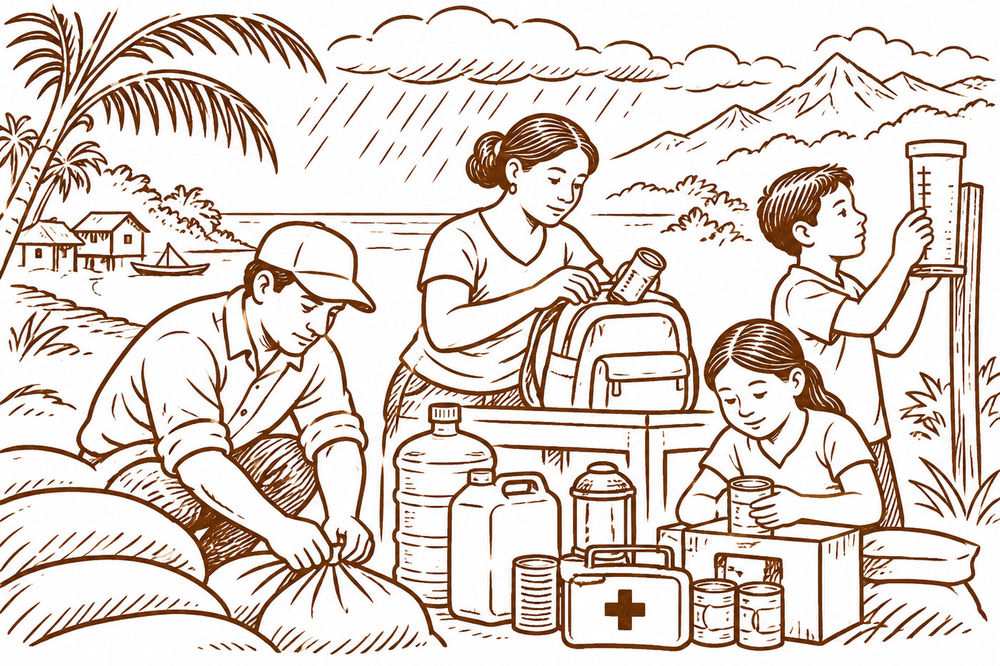
- Have an emergency backpack ready, including medication, copies of important documents, water, clothing and basic first-aid supplies.
Know when not to travel
Never walk, cycle or drive through floodwater, even on familiar roads. Beneath seemingly calm water could be an open manhole, a washed-out road or a strong current.
Check road conditions before travelling. Rainfall inland can cause rivers to overflow downstream even when the weather appears relatively calm where you live.
Coastal residents should also check INOCAR's tide tables and marine warnings. Avoid beaches, exposed seawalls and river mouths during dangerous sea conditions.
When the bugs arrive
Warm, humid conditions and standing water create favourable breeding conditions for mosquitoes. Ecuador's Ministry of Public Health identifies dengue and leptospirosis among the health risks associated with the rainy season.
- Use mosquito repellent containing DEET or picaridin, following the product instructions.
- Remember that mosquitoes transmitting dengue also bite during daylight hours.
- Repair window and door screens and use mosquito nets where needed.
- Empty and scrub flowerpot saucers, buckets and other water-holding containers at least weekly.
- Keep water storage tanks tightly covered.
- Store food and household rubbish in sealed containers to discourage flies, cockroaches and rodents.
- Avoid contact with floodwater that may contain sewage or urine from infected animals.
Seek medical attention if you develop fever, severe headaches, unusual muscle pain or persistent digestive problems. If dengue is suspected, avoid aspirin and ibuprofen until you have received medical advice.
Living with humidity
Weeks of damp weather can create problems even in homes that escape flooding.
Open windows when outdoor conditions are relatively dry, allow air to circulate behind furniture and inspect cupboards for mould. Avoid leaving wet clothing, towels and footwear piled together.
Keep medicines, electronics, important documents and clothing in dry locations. Inspect walls and ceilings regularly for leaks or spreading dampness.
Clear gutters and drainage channels whenever conditions allow you to do so safely.
Managing interruptions to essential services
During power cuts, keep refrigerator and freezer doors closed. An unopened refrigerator generally keeps food safe for up to four hours without electricity. After that, discard perishable foods unless they have been maintained at a safe temperature. Consult these food safety guidelines if you are uncertain.
Make advance arrangements for refrigerated medications and electrically powered medical equipment.
Operate generators outdoors, at least six metres from doors, windows and ventilation openings. Never use charcoal barbecues inside buildings.
Stay away from fallen electrical cables. If your home is flooding, switch off the electricity only if you can reach the electrical panel safely without entering water.
If the safety of your water supply becomes uncertain, use bottled or properly treated water for drinking, preparing food and brushing your teeth.
Look after each other
Establish regular contact with neighbours, particularly older residents, people living alone and those with limited mobility.
Know where you can go if your home becomes unsafe, and include pets in your evacuation plans. Leave before rising water cuts off your escape route.
Keep these resources handy
| Resource | Information | |---|---| | Alertas Ecuador | Road conditions, river levels and emergency guidance | | INAMHI | Weather forecasts and El Niño monitoring | | INOCAR | Tides and coastal warnings | | Ecuador Informa — Power | Electricity information | | ECU 911 | Emergency assistance |
El Niño is not a single storm that will pass in a few days. Maintaining supplies, protecting your health, monitoring local conditions and helping your neighbours are habits worth developing throughout the coming months.
Stay informed, stay prepared and avoid taking unnecessary chances.