Featured
Ecuador Votes November 29: Who Will Run Your Community?
A pothole that never gets repaired. A neighbourhood waiting for reliable drinking water. A rural road washed out by heavy rain. Who is responsible — the mayor, the prefect or the parish board?
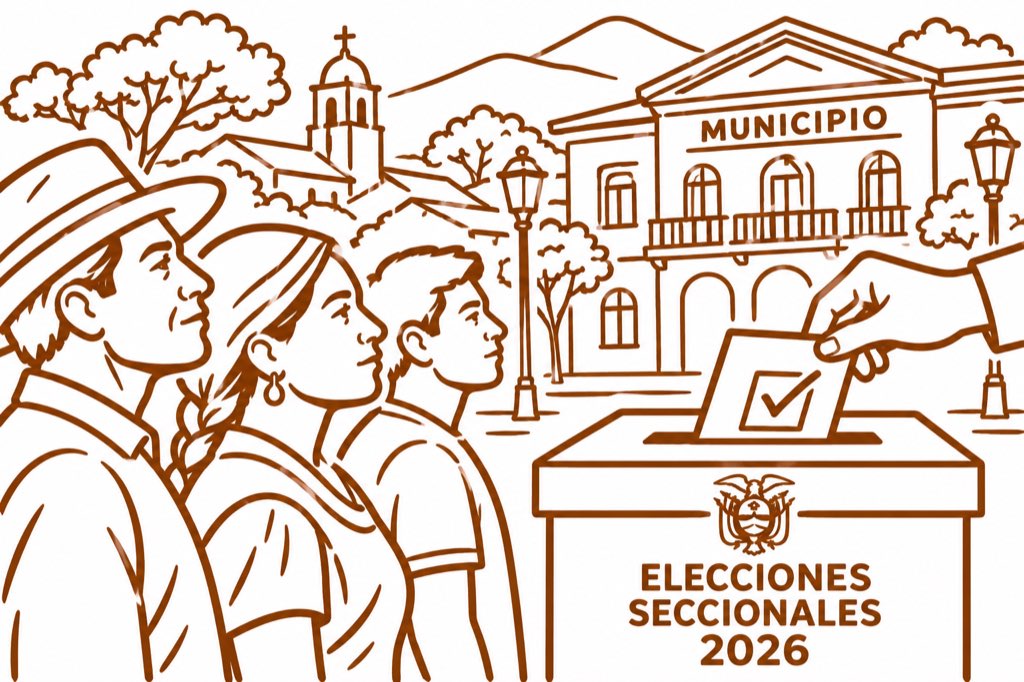
On Sunday, November 29, Ecuadorians will elect the local officials who make many of those decisions. They will also choose seven members of a national oversight council. With 13,827,643 people on the electoral register, this is a major election, even though neither the presidency nor the National Assembly is on the ballot.
The vote was originally scheduled for February 14, 2027, but the National Electoral Council (CNE) moved it forward, citing the risk that heavy rains associated with a possible El Niño could disrupt polling. The newly elected local authorities will still take office on May 14, 2027, for the 2027–2031 term.
Who does what in your community?
Mayors and municipal councillors are responsible for many of the services residents encounter every day. Municipal governments manage drinking water, sewerage, rubbish collection, urban roads, public markets, land-use planning and public spaces. The mayor leads the administration, while elected councillors approve ordinances and budgets and oversee municipal decisions.
If a coastal town needs to expand its water network or repair an urban street, the municipality is generally the first authority to approach.
Provincial prefects and vice-prefects focus on responsibilities that extend beyond individual towns, including provincial roads, irrigation, rural economic development and environmental management. In Manabí, a road connecting farming communities to a regional highway may fall under the provincial government, while streets within a town are generally municipal responsibilities.
Flooding and drainage problems can involve several authorities, depending on the waterway, road and type of work. That makes cooperation between municipalities and provincial governments especially important during the rainy season.
Rural parish boards, known as juntas parroquiales rurales, represent smaller communities outside urban centres. They identify local priorities, prepare development plans, undertake projects within their budgets and coordinate with municipal and provincial authorities. Their influence often comes from ensuring that a community's needs are included in larger government plans.
Voters will also elect seven members of the Council for Citizen Participation and Social Control (CPCCS). Unlike local governments, this national institution promotes citizen participation and oversight and has responsibilities in legally defined processes for appointing certain national authorities. Voters choose three women, three men and one representative from a category covering Indigenous peoples, Afro-Ecuadorians, Montubios and Ecuadorians abroad, using three separate ballots.
In total, the election will fill 5,749 principal positions. Galápagos has a special provincial government arrangement and does not elect a prefect in the same way as mainland provinces.
Who can vote?
Voting is compulsory for most Ecuadorian citizens aged 18 to 64. It is optional for those aged 16 or 17, people aged 65 or older, Ecuadorians abroad, people with disabilities, and active-duty military and police personnel.
Foreign nationals aged 16 or older may also vote voluntarily if they have been legally resident in Ecuador for at least five years and have completed the required electoral registration. Simply living in the country for five years does not automatically place someone on the voter roll.
Ecuadorians registered overseas will vote for the CPCCS seats rather than local mayors or prefects. The CNE has announced that voting will not take place at its designated locations in Caracas, Valencia or Havana, making it particularly important for affected voters to check official arrangements.
What happens on election day?
Polling stations are scheduled to open at 7 a.m. and close at 5 p.m. Voters should check their assigned location through the CNE website before travelling, especially if heavy rain affects access. Ecuadorian citizens may use their identity card or passport, including expired documents accepted under CNE rules; eligible foreign voters should confirm their identification requirements.
Ballots use different colours to distinguish the offices, and polling stations will have separate ballot boxes for local authorities and CPCCS votes.
The election campaign ends November 26, followed by electoral silence beginning November 27. Ecuador's election-period alcohol restrictions, known as ley seca, also apply, with official enforcement times published by the authorities.
Once voting ends, election workers count ballots and transmit results to the CNE. Initial figures may change before the results become official, and the winners will not assume office until May 14.
A new mayor may promise better water services, while a prefect may prioritise rural roads or irrigation. Delivering those promises will depend on budgets, existing contracts and cooperation between levels of government.
Knowing who does what is useful long after the ballots have been counted. When a road floods, a water supply fails or a public project stalls, residents can ask a more precise question: which elected authority is responsible for fixing it?
Further reading: How does someone become an election candidate in Ecuador? — Ecuador Informa's guide to candidate selection and registration.
Sources
- CNE — Electoral calendar and official resolution
- CNE — Electoral register: 13,827,643 voters
- CNE — CPCCS ballot categories
- CNE — Ballot colours and materials
- CNE — Overseas voting arrangements
- CNE — Electoral registration rules for foreign residents
- CPCCS — Appointment procedures for national authorities
- Primicias — Why local elections were moved to November
- El Universo — November 2026 voting guide